


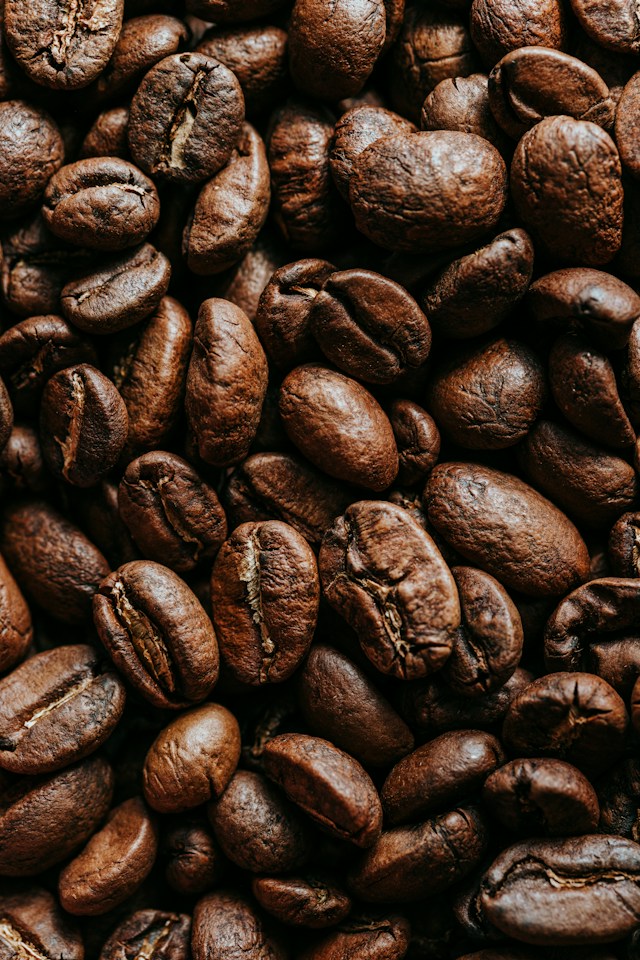
Here's a question I get across the counter at Headquarters most weeks: "So how do I keep these beans tasting like this at home?" Fair question. You've just spent good money on fresh specialty coffee, and the last thing you want is for it to go flat in the pantry by week two. So let's talk about how to store coffee beans properly, because it's simpler than most people think, and it makes a bigger difference to your cup than almost any gadget you can buy.
Quick bit of background. We roast on the Gold Coast, and from the moment a batch comes out of the roaster the clock starts ticking. Coffee doesn't really "go off" like milk does. It goes stale. The aromatics that give you those chocolate, caramel or berry notes slowly fade, and what's left is flat, papery and a bit woody. Good storage won't stop that, but it slows it right down.

The four things that kill fresh coffee
Every bit of storage advice comes back to four enemies. Keep your beans away from these and you're 90 per cent of the way there.
- Air. Oxygen is the big one. It reacts with the oils and aromatics in roasted coffee and dulls them fast.
- Light. Sunlight and even bright kitchen light speed things up. Clear jars on the windowsill look great on Instagram and terrible in the cup.
- Heat. Next to the stove, on top of the fridge, beside the espresso machine. All warm spots, all bad news.
- Moisture. Coffee soaks up moisture and smells from around it. On the Gold Coast, with our summer humidity, this one matters more than most guides let on.
How to store coffee beans at home
Right, the practical bit. Here's what I'd do with a fresh bag from us.
Keep them whole until you brew
This is the single biggest win. Whole beans hold their flavour for weeks. Ground coffee starts losing it in minutes, because you've just massively increased the surface area exposed to air. If you don't have a grinder yet, it's the best coffee upgrade you can make, full stop. If you're buying pre-ground, buy smaller amounts more often.

The bag is fine, if you treat it right
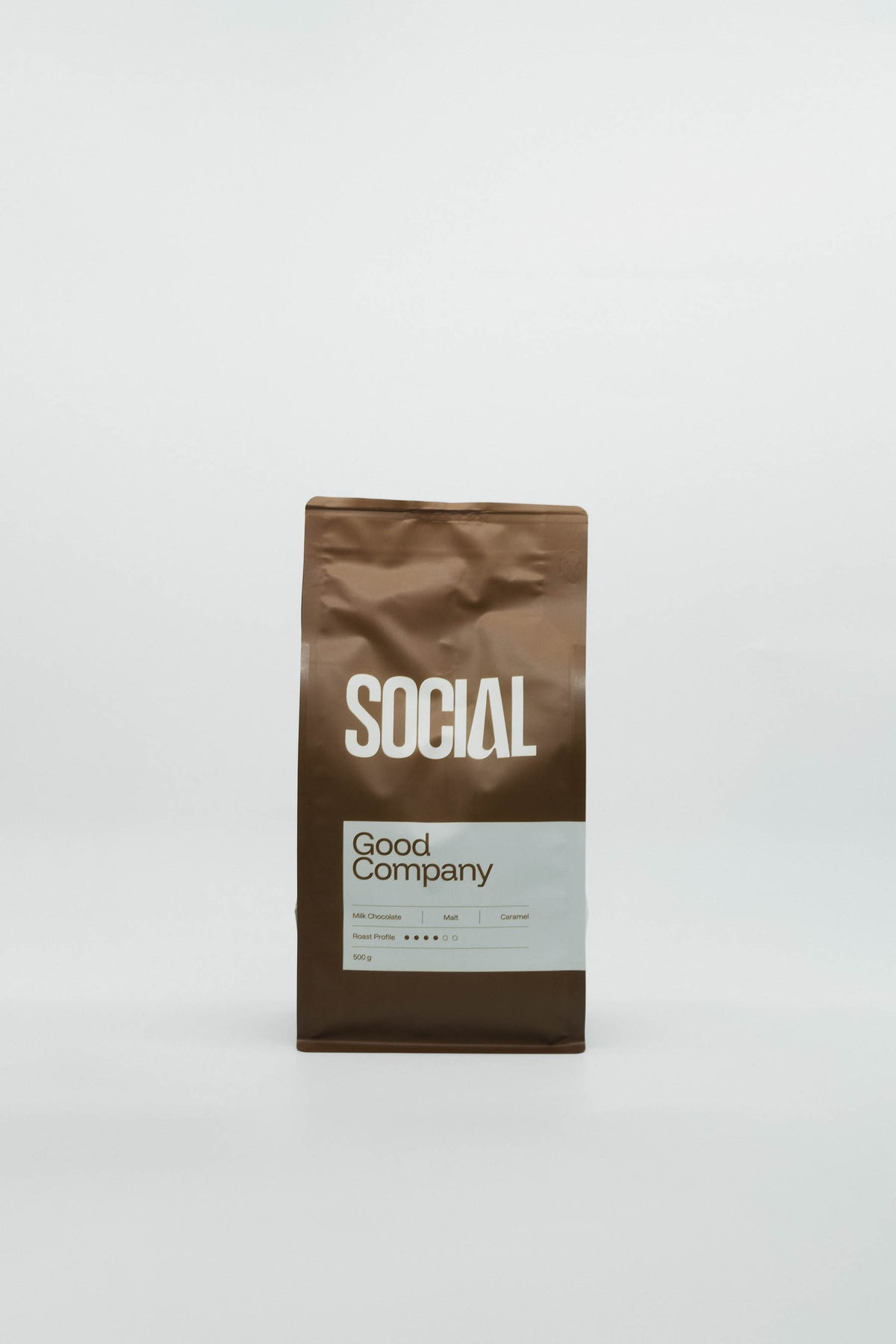
Our 250g and 500g retail bags are designed to protect the coffee. The trick is squeezing the air out before you seal it each time, then popping it somewhere dark and cool. A pantry or cupboard away from the oven is perfect.
Or upgrade to a proper container
If you go through a lot of coffee or just want the best result, an opaque, airtight canister is worth it. We stock the Airscape coffee storage canister, which has an inner lid you push right down onto the beans to force the air out. No vacuum pump, no fuss, and it looks good on the bench.
Skip the fridge
I know, your nan kept her coffee in the fridge. But fridges are humid and full of smells, and every time you take the beans out, condensation forms on them. That's moisture straight into your coffee. Pantry beats fridge every time.
How long do coffee beans last?
Here's where people get caught out. Fresher isn't always better on day one. Freshly roasted coffee is still releasing carbon dioxide, and for espresso especially that gas gets in the way of an even extraction. So beans need a little rest before they hit their stride.
My rough guide, counted from the roast date on the bag:
- Espresso blends like Good Company, Sweet Talk and Deep Dive: start using around 7-10 days after roast. Best from then until about week four or five.
- Filter roasts from our filter singles: usually good to go after 6-8 days, at their best for the next three or four weeks.
- After that: still perfectly drinkable, just quieter. Great for cold brew or a big batch for the office.
If your shots suddenly start running fast and tasting sharp as a bag gets older, that's normal. Our post on dialling in a new coffee at home walks through how to adjust your grind as beans age.
Can you freeze coffee beans?
Yes, and done properly it works really well. Freezing is how a lot of us in the industry keep a special coffee around for longer. The catch is the same moisture issue as the fridge, so you need to be disciplined about it.
- Freeze beans that are already rested and near their peak, not straight off the roaster.
- Split them into small, airtight portions, roughly a few days' worth each.
- Squeeze out as much air as possible.
- Take out one portion at a time and don't put it back. Thawing and refreezing is what wrecks it.
- Many home baristas grind straight from frozen with no problem. Just expect to tweak your grind a touch.
The fresh coffee checklist
Stick this on the fridge (ironic, I know):
- Check the roast date when your bag arrives.
- Rest espresso beans about a week, filter beans a few days.
- Keep beans whole and grind just before you brew.
- Squeeze the air out of the bag every time, or use an airtight, opaque canister.
- Store in a cool, dark cupboard. Not the fridge, not next to the machine.
- Aim to finish a bag within about a month of opening.
- Buying in bulk? Freeze rested beans in small sealed portions and never refreeze.
The easiest fix of all is just buying the right amount. If you're always halfway through a stale bag, a filter coffee subscription or a regular order of our espresso blends means fresh coffee turns up right when you need it. And for brew recipes once your beans are sorted, head to our brewing guides.
FAQ
What's the best way to store coffee beans?
Whole, in an airtight and opaque container, somewhere cool and dark like a pantry. Grind just before brewing.
Should I keep coffee beans in the fridge?
No. The fridge is humid and smelly, and condensation forms every time you take the beans out. A cupboard is better.
How long do coffee beans stay fresh after opening?
Stored well, aim to use them within about three to four weeks of opening. They'll still be drinkable after that, just with less flavour.
Is it OK to freeze coffee beans?
Yes, if you freeze rested beans in small airtight portions, take out one at a time, and never refreeze them.